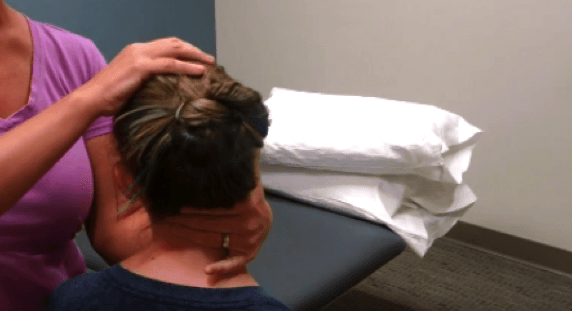
Do you regularly see patients experiencing pain with left rotation? In the video below, NAIOMT’s Stacy Soappman, PT, DSc, COMT, FAAOMPT addresses one way to assess and treat. For more manual therapy guidance, join us for the upcoming Cervical Spine courses (that can be taken in any order): Salt Lake City, UT – Nov 11-12 – Cervical Spine… Continue reading Patient with Pain Turning Head to the Left? Here’s One Way to Assess and Treat
Category: Cervical Spine
Abstract of the Week: Whiplash Injury or Concussion?
This week, we take a look at Whiplash Injury or Concussion? A Possible Biomechanical Explanation for Concussion Symptoms in Some Individuals Following a Rear-End Collision from the Journal of Orthopaedic & Sports Physical Therapy. Elkin, et al. 2016 provide their biomechanical explanation for mechanism of injury of a concussion in a rear-end type collision. These authors specifically are looking at… Continue reading Abstract of the Week: Whiplash Injury or Concussion?
Abstract of The Week: The effect of direction specific thoracic spine manipulation on the cervical spine: a randomized controlled trial
Admittedly, we didn’t have to search too hard to find this particular Abstract of the Week, as its authors include NAIOMT faculty. Thus, it goes without saying that we find this an important topic to research, read about and discuss. The effect of direction specific thoracic spine manipulation on the cervical spine: a randomized controlled trial by Steve Karas,… Continue reading Abstract of The Week: The effect of direction specific thoracic spine manipulation on the cervical spine: a randomized controlled trial

Closing Manipulation in C2 3 (Video)
In the manual therapy video below, NAIOMT faculty member Chris Hoekstra PT, DPT, OCS, COMT, FAAOMPT demonstrates a closing manipulation in C2-3. We hope this video and so many others we’ve shared serve as a useful resource to you… But we must also emphasize that at NAIOMT, we’re firm believers that techniques and manipulations are simply useless without… Continue reading Closing Manipulation in C2 3 (Video)

Abstract of The Week: Upper cervical instability associated with rheumatoid arthritis
This week, we recommend taking a look at the following abstract: Upper cervical instability associated with rheumatoid arthritis: a case report. Here’s why we think it matters: Put simply, it really highlights the importance of good clinical reasoning. The patient in this case was not even referred to PT for “neck pain,” she was referred… Continue reading Abstract of The Week: Upper cervical instability associated with rheumatoid arthritis

Abstract of the Week: Thoracic Manual Therapy in The Management of Non-specific Shoulder Pain
How many of you start your shoulder examination with a look at the cervical and thoracic spine? In the absence of trauma it makes the most sense to do a cervical and thoracic scan during the initial evaluation. The scapula is part of the shoulder girdle. A lot of the muscles that attach to the… Continue reading Abstract of the Week: Thoracic Manual Therapy in The Management of Non-specific Shoulder Pain

Abstract of The Week: Upper Cervical and Upper Thoracic Manipulation Versus Mobilization and Exercise in Patients with Cervicogenic Headache
Abstract: Upper cervical and upper thoracic manipulation versus mobilization and exercise in patients with cervicogenic headache: a multi-center randomized clinical trial. BMC Musculoskeletal Disorders. 2016;17:64. Dunning JR, Butts R, Mourad F, et al. This RCT of 110 patients (mean age 34- manip.; 36 -mob/ex groups respectively) assessed the clinical effectiveness of these interventions over a short duration (3 months)… Continue reading Abstract of The Week: Upper Cervical and Upper Thoracic Manipulation Versus Mobilization and Exercise in Patients with Cervicogenic Headache
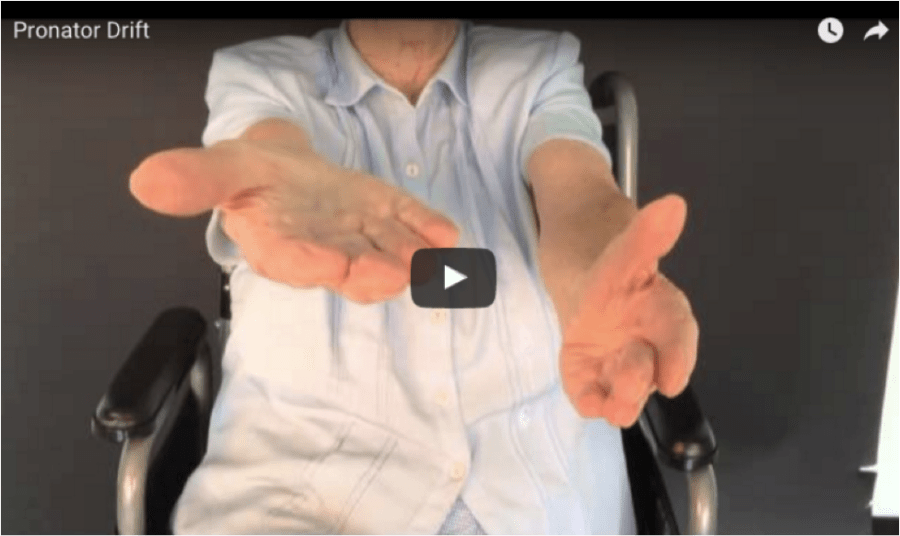
Article of The Week: Pronator Drift
This article in the New England Journal of Medicine is an excellent review of pronator drift and explains how injury to the pyramidal tracks can cause pronator drift. In physical therapy, assessing for cervical artery dysfunction is an important aspect of evaluation, knowing the physiology behind pronator drift is a must! Pronator Drift Philip Darcy, M.B., and… Continue reading Article of The Week: Pronator Drift
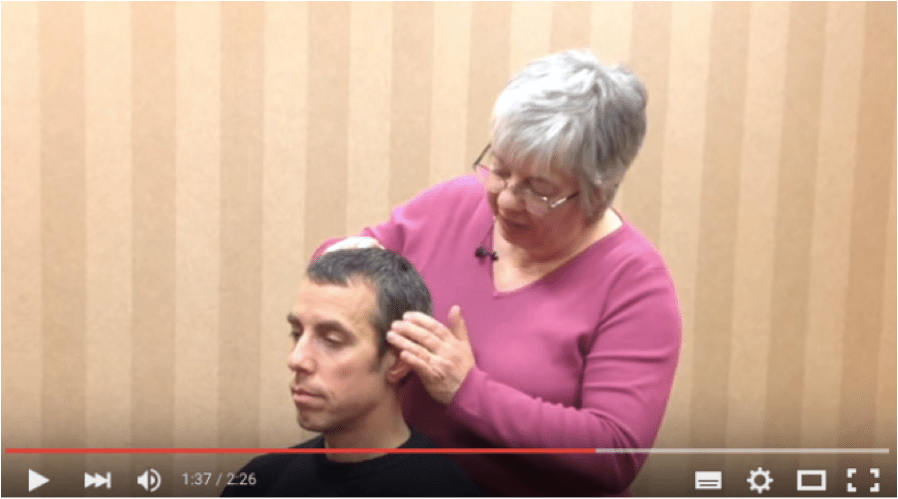
Strategies for Temporalis Induced Tension Headache
Do your patients experience headaches? In the manual therapy continuing education video below, NAIOMT’s Ann Porter Hoke addresses temporalis induced tension headaches, and discusses strategies for both physical therapist and patients to use in treatment. For more in depth guidance from experts in the field, browse the manual therapy courses coming up in your region of the country. Upcoming… Continue reading Strategies for Temporalis Induced Tension Headache
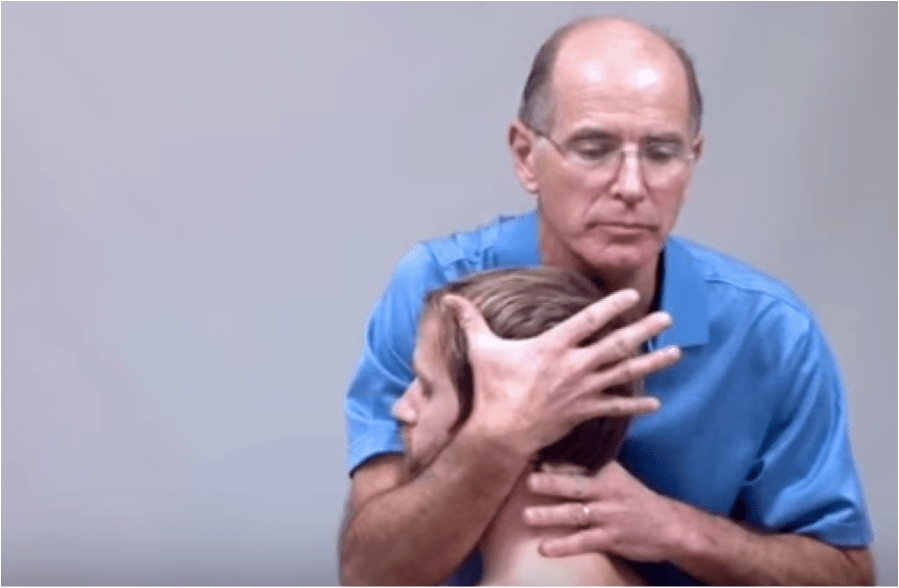
Grade I General Suboccipital Traction in Sitting
In the manual therapy continuing education video below, NAIOMT Faculty Member Steve Allen demonstrates how to conduct a grade I suboccipital traction technique with a seated patient. Dive deeper into more conditions of the cervical spine with upcoming courses in Seattle, NYC, Dallas, Atlanta and Spokane and beyond.

 naiomt.me